A budget that survives irregular income
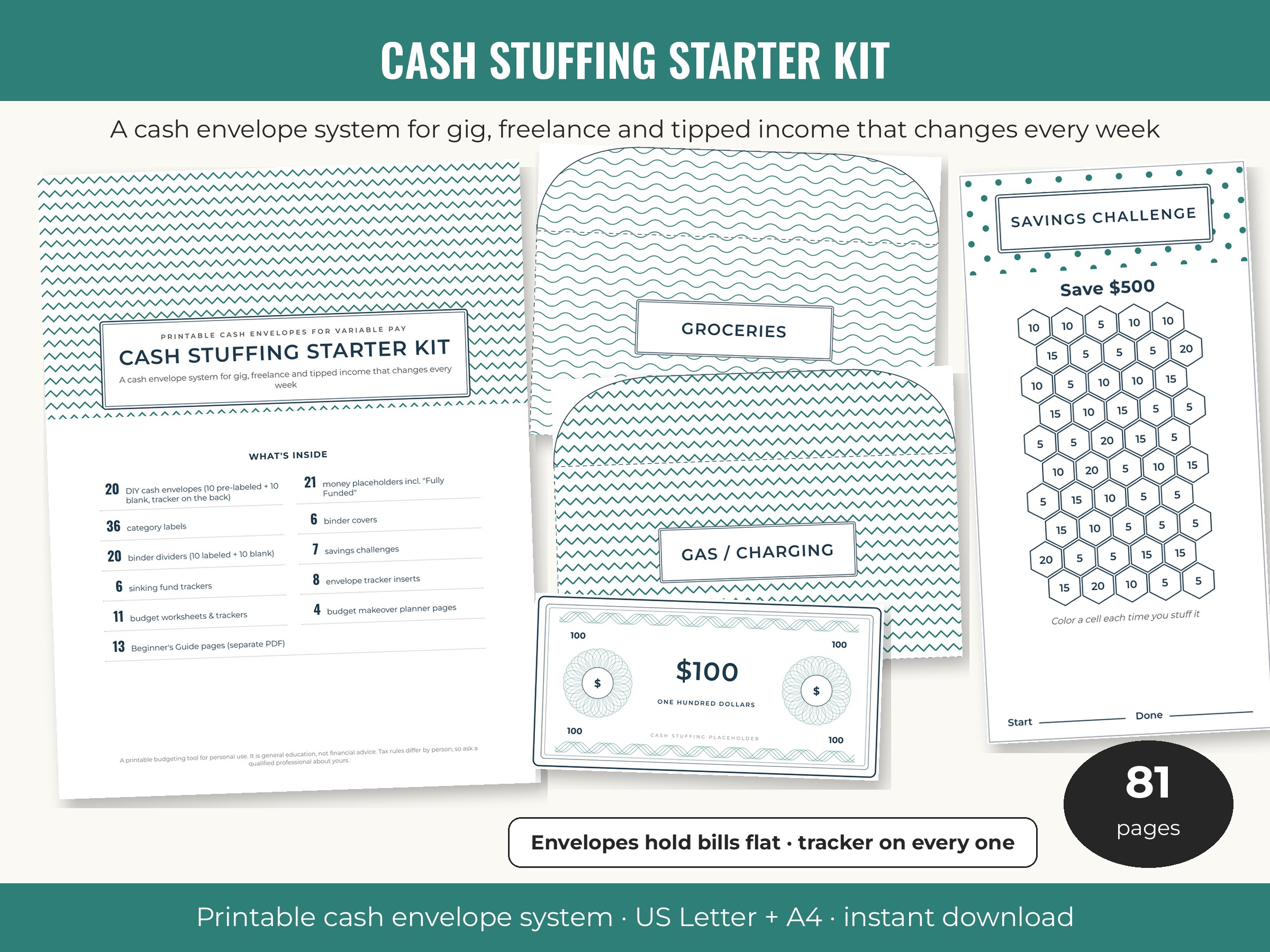
If your income changes month to month (freelance, tips, commission, seasonal work), a normal monthly budget breaks the first time a slow month arrives. The fix isn't more discipline; it's a different structure.
1. Pay yourself a steady "salary" from a buffer
Put all income into one holding account. Each month, move the same fixed amount to your everyday account, as if you were paid a salary. Pick that amount from your lowest few months, not your average.
2. Set aside tax the day money lands
If you're self-employed, move a fixed percentage of every payment into a separate tax pot immediately. It's not yours to spend. Check the right percentage with your tax office or an accountant.
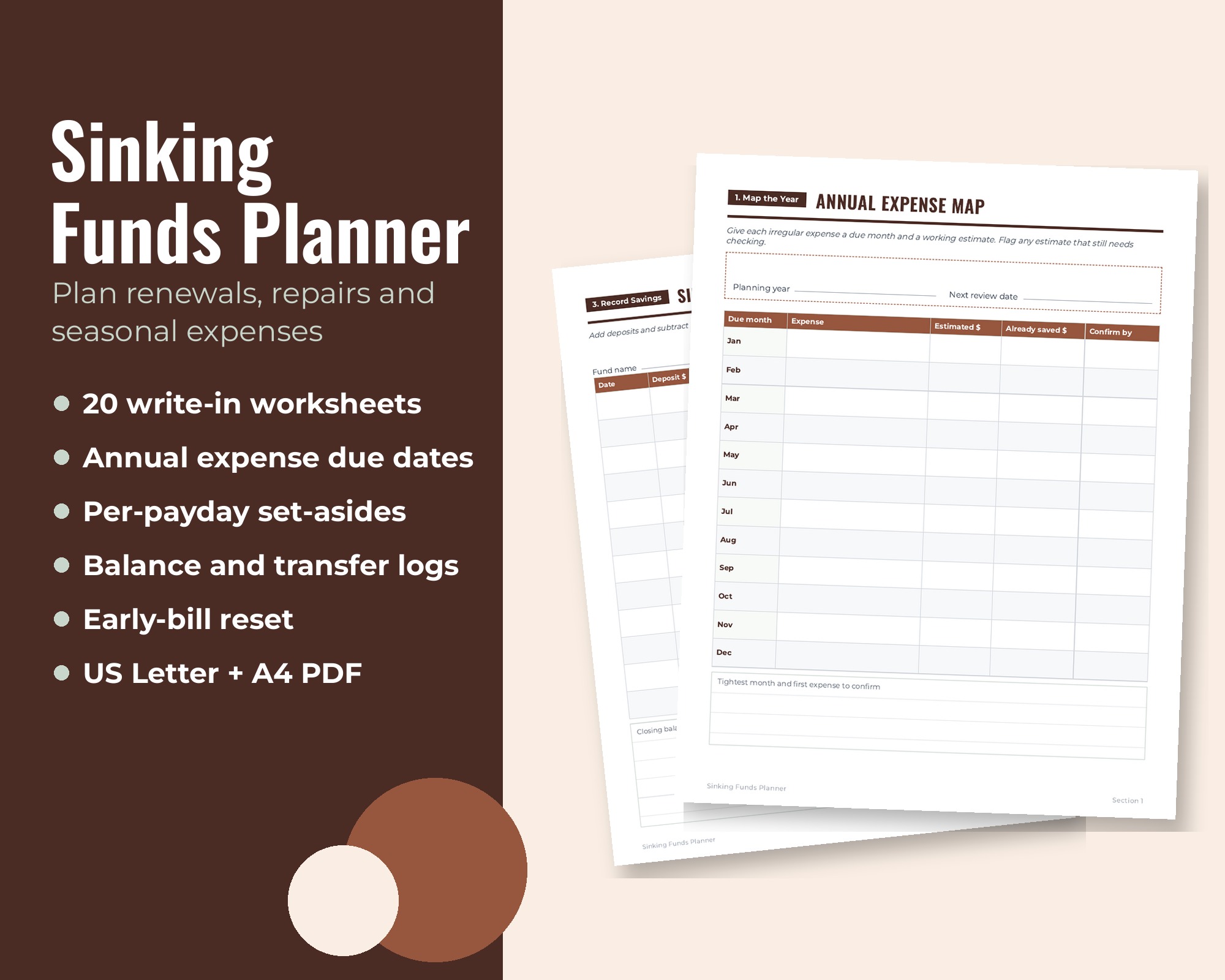
3. Use sinking funds for the lumpy bills
Car repairs, annual insurance, holidays and birthdays aren't surprises; they're bills with uneven dates. Divide each yearly cost by 12 and set that aside monthly in its own pot.
4. Decide in advance what a good month does
When a big month arrives, the plan should already say where the extra goes, for example: refill the buffer first, then extra debt payment, then savings. Deciding ahead stops a good month from disappearing.
5. Review once a month, not every day
A 20-minute monthly check is enough: what came in, what the buffer looks like, whether the salary amount still holds.
This is a general approach for organizing your own numbers, not financial or tax advice.